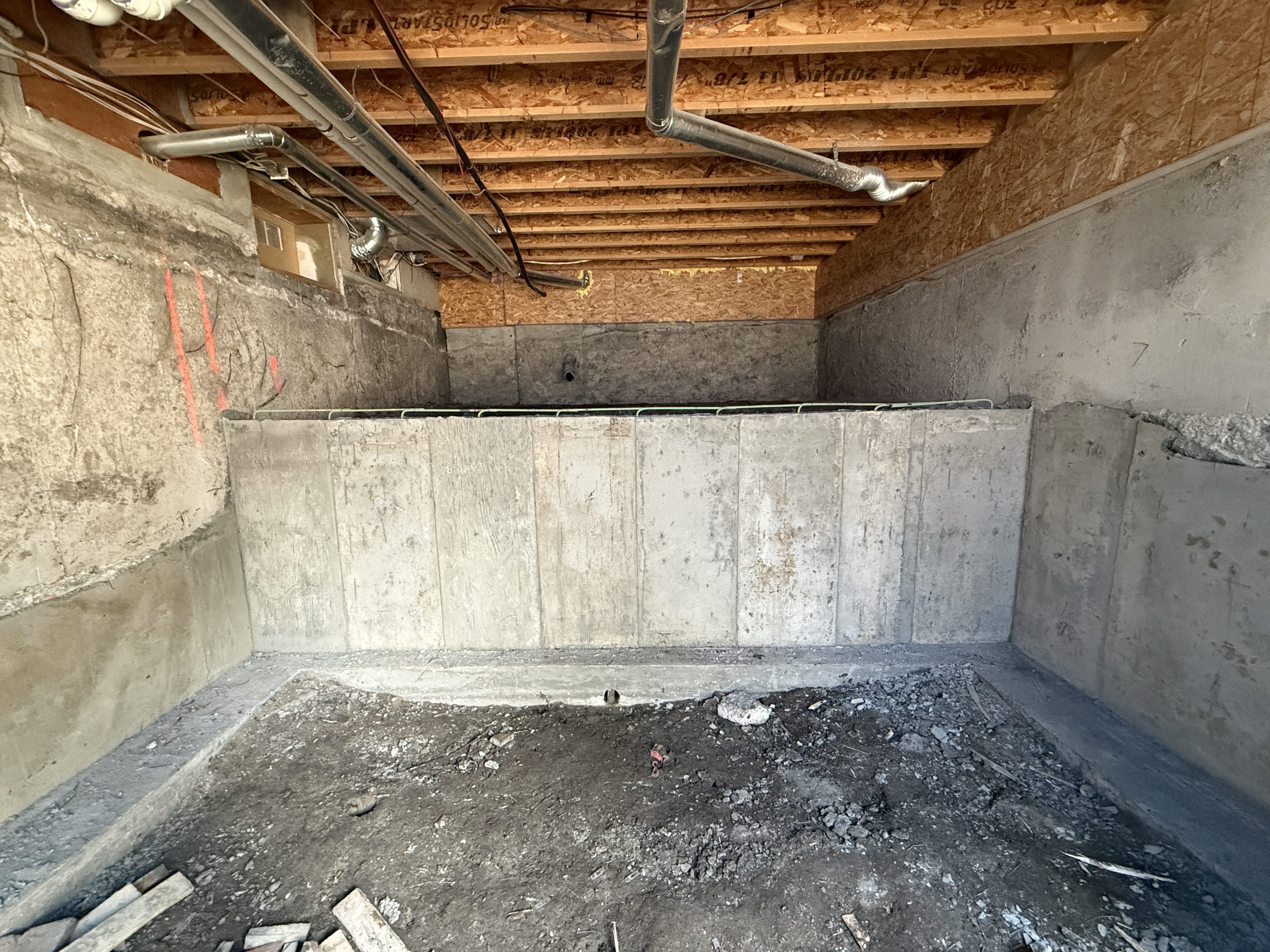
Every construction project starts with a plan and a team. But even the best blueprints fall apart if the subcontractors handling the concrete, electrical, or finishing work can’t deliver on time or on spec. One missed pour, one delayed crew, and suddenly your schedule and budget start bleeding.
Hiring subcontractors for construction isn’t about collecting bids; it’s about choosing reliability. Behind every successful build is a group of trades who communicate, show up, and care about doing the job right the first time.
If you’re managing commercial sites across Calgary: restaurants, warehouses, retail developments, you already know: hiring the wrong subcontractor can cost you far more than their quote. Let’s break down how to find a dependable team, especially when it comes to hiring a commercial concrete contractor you can trust.
Why the Right Subcontractors Are Worth Every Minute You Spend Vetting

According to a recent report from Construction Dive, subcontractor performance continues to be one of the leading causes of project slowdowns across North America. Missed deadlines, inconsistent workmanship, and poor coordination between trades are key factors driving schedule setbacks and rising costs.
Those issues aren’t just inconvenient; they translate directly to lost profit, reputation damage, and strained client relationships.
A reliable subcontractor becomes an extension of your brand. They influence:
- Timeline integrity: Fewer reworks and delays keep other trades on track.
- Cost control: Accurate estimates prevent budget surprises.
- Quality assurance: Fewer deficiencies mean smoother inspections and faster closeouts.
When you’re managing multiple jobs, hiring a subcontractor you can trust isn’t optional; it’s strategic risk management.
Step 1: Define What “Reliable” Actually Means
Before you start comparing quotes, set clear criteria. Reliability in subcontracting isn’t about who’s cheapest or who “can start Monday.” It’s about consistency and accountability.
A reliable subcontractor should:
- Communicate proactively about site conditions or changes.
- Provide transparent, itemized estimates.
- Follow safety standards and maintain site professionalism.
- Deliver consistent workmanship across multiple jobs.
Ask about certifications, safety training, and their average project size. For instance, a commercial concrete contractor that regularly handles industrial pads or retail slabs is better equipped for large-scale timelines than one that primarily pours small residential driveways.
Step 2: Prioritize Proven Experience with Similar Projects
Not every subcontractor fits every job. A company that does flawless residential patios might struggle with the demands of multi-phase commercial construction.
Look for subcontractors who:
- Have completed projects similar to yours (e.g., restaurant patios, industrial loading bays).
- Can provide references or case studies from comparable builds.
- Have experience coordinating with general contractors or other trades on-site.
For concrete-specific work, this could mean verifying experience with structural pours, flatwork, formwork, and decorative finishes under tight commercial timelines.
When in doubt, ask to see past projects with recognizable Calgary businesses; it’s the clearest sign that the subcontractor can handle the scope and pressure of a high-visibility job.
Step 3: Ask the Right Questions During Bidding
Every contractor knows how to quote, but few know how to forecast potential risks. During your evaluation process, ask questions that reveal more than just price.
Try:
- “What are your contingency plans for weather or schedule changes?”
- “How do you track progress and communicate updates?”
- “What quality control steps do you use before a pour or inspection?”
- “How do you handle deficiencies?”
The answers tell you how they’ll behave once they’re on-site. A solid commercial concrete contractor won’t overpromise or blame others for unexpected issues; they’ll plan for them.
If you want a deeper sense of how environmental conditions affect concrete timelines, refer to this reference to understand scheduling around curing time.
Step 4: Verify Documentation and Insurance Early
Before awarding the job, confirm:
- Valid business license and WCB coverage
- Proof of liability insurance
- Safety certifications (COR, if applicable)
- A written scope of work and schedule
Skipping these checks often leads to disputes later. These details don’t just protect you; they protect your client relationship.
If the subcontractor can’t provide documentation quickly, take it as a sign their back office might be as disorganized as their crew.
Step 5: Evaluate Communication and Site Conduct
Strong communication is the backbone of efficient subcontracting. When issues arise, and they always do, how fast a team communicates often determines the outcome.
During pre-job meetings, pay attention to:
- How well they articulate project details.
- Their responsiveness to follow-up questions.
- Their respect for timelines and scope boundaries.
On-site behavior matters too. A subcontractor who maintains a clean work area, respects shared space, and communicates clearly with other trades will make everyone’s job easier.
For more on industry expectations for professional conduct and collaboration, see the Canadian Construction Association’s Best Practices for Contractors, a solid resource for building consistency across teams.
Step 6: Review Pricing Realistically
Competitive bids are healthy; low-ball bids are not. If a subcontractor’s estimate seems too good to be true, it usually is.
Cheap bids often hide shortcuts like:
- Understaffing crews to meet budget.
- Cutting corners on prep work or materials.
- Rushing pours without proper curing time.
A poor-quality pour can cost far more to fix than it would have to do it right the first time. That’s why working with an experienced commercial concrete contractor, one that values craftsmanship and long-term durability, is a smarter investment.
If you’d like to compare realistic costs for concrete work in Calgary, this article breaks it down: How Much Does Concrete Cost Per Cubic Meter in Calgary?
Step 7: Check Their Quality Control Process
A subcontractor’s quality control (QC) process separates dependable partners from risky ones. QC isn’t about perfection; it’s about consistency.
Ask your subcontractor about:
- Concrete testing (slump, air content, strength samples)
- Surface tolerances and finishing standards
- Curing protection in different temperatures
- Documentation or inspection reports
Good contractors are transparent about their QC process because it protects both parties. Organizations like Concrete Alberta and the American Concrete Institute provide excellent guidance on QC and cold-weather concreting practices that your teams can benchmark against.
Step 8: Prioritize Reputation and Longevity
Construction is a relationship-driven industry. Companies that have stood the test of time didn’t do it by chance; they did it by doing the right thing consistently.
In Calgary, longevity matters. A company like TNA Concrete, which has operated for over 30 years with an A+ rating from the Better Business Bureau, represents the kind of partner commercial clients can rely on.
When researching subcontractors, check:
- Google reviews and BBB listings
- Client testimonials
- Years in business
- Repeat clients or long-term partnerships
A short track record can mean limited accountability once the project ends.
Step 9: Inspect Past Work Before You Sign
A portfolio says more than a proposal ever will. If possible, visit previous sites completed by the subcontractor. Assess:
- Surface quality and finish consistency
- Joint alignment and edging detail
- Evidence of cracks, scaling, or premature wear
- Site cleanliness and coordination
Photos help, but nothing replaces walking a finished slab or patio to see the craftsmanship up close.
Step 10: Build Partnerships, Not Transactions
Strong subcontractor relationships create smoother projects and fewer surprises. When crews know your expectations and communication style, coordination becomes second nature.
Instead of chasing new subcontractors every bid cycle, invest in long-term partnerships that reward reliability. You’ll save time on vetting, reduce miscommunication, and establish a consistent quality baseline across projects.
If you’re managing multiple builds, partner with a commercial concrete contractor who can adapt to different site types, from restaurant patios to industrial pads, without compromising quality or schedule.
You can explore TNA’s full range of commercial concrete services here.
Common Pitfalls When Hiring Subcontractors

Even seasoned general contractors occasionally fall into these traps:
1. Basing the decision solely on price
The cheapest quote rarely equates to the lowest total cost once you factor in rework and delay penalties.
2. Ignoring references
Always verify at least two previous commercial jobs, preferably with similar scale and complexity.
3. Skipping the kickoff meeting
Early coordination prevents costly misunderstandings.
4. Overlooking communication red flags
Slow email responses before the project starts usually worsen once the crew is on-site.
The Value of Transparency and Trust
Transparency builds accountability. Subcontractors who share schedules, QC data, and progress photos demonstrate professionalism and confidence in their work.
Trust is built when teams communicate issues before they escalate. That might mean reporting a minor surface blemish or rescheduling a pour due to a sudden temperature drop; choices that protect the end result.
As an experienced Calgary contractor, TNA Concrete values these small decisions because they add up to consistent, long-lasting results for clients.
Why Hiring Reliable Concrete Subcontractors Pays Off
Reliable subcontractors don’t just make life easier; they save money long-term. Projects flow smoother, inspections pass faster, and your client relationships strengthen.
The right subcontractor will:
- Reduce scheduling stress.
- Lower total defect rates.
- Deliver predictable quality that protects your reputation.
And when you work with a team that takes pride in their craftsmanship, every project becomes a showcase of durability and trust.
Hire Once, Build Right
Hiring the right subcontractor isn’t a line item; it’s an investment in every future bid and referral your company earns. Reliable crews make your projects profitable, predictable, and reputable.
If you’re looking for a commercial concrete contractor who values clear communication, quality workmanship, and schedule integrity, connect with TNA Concrete. With more than three decades of experience serving Calgary’s commercial sector, TNA understands what it takes to deliver concrete work that lasts.
Contact us today to discuss your next project and get insights on how to find a reliable concrete subcontractor in Calgary who keeps your timeline and budget on track.