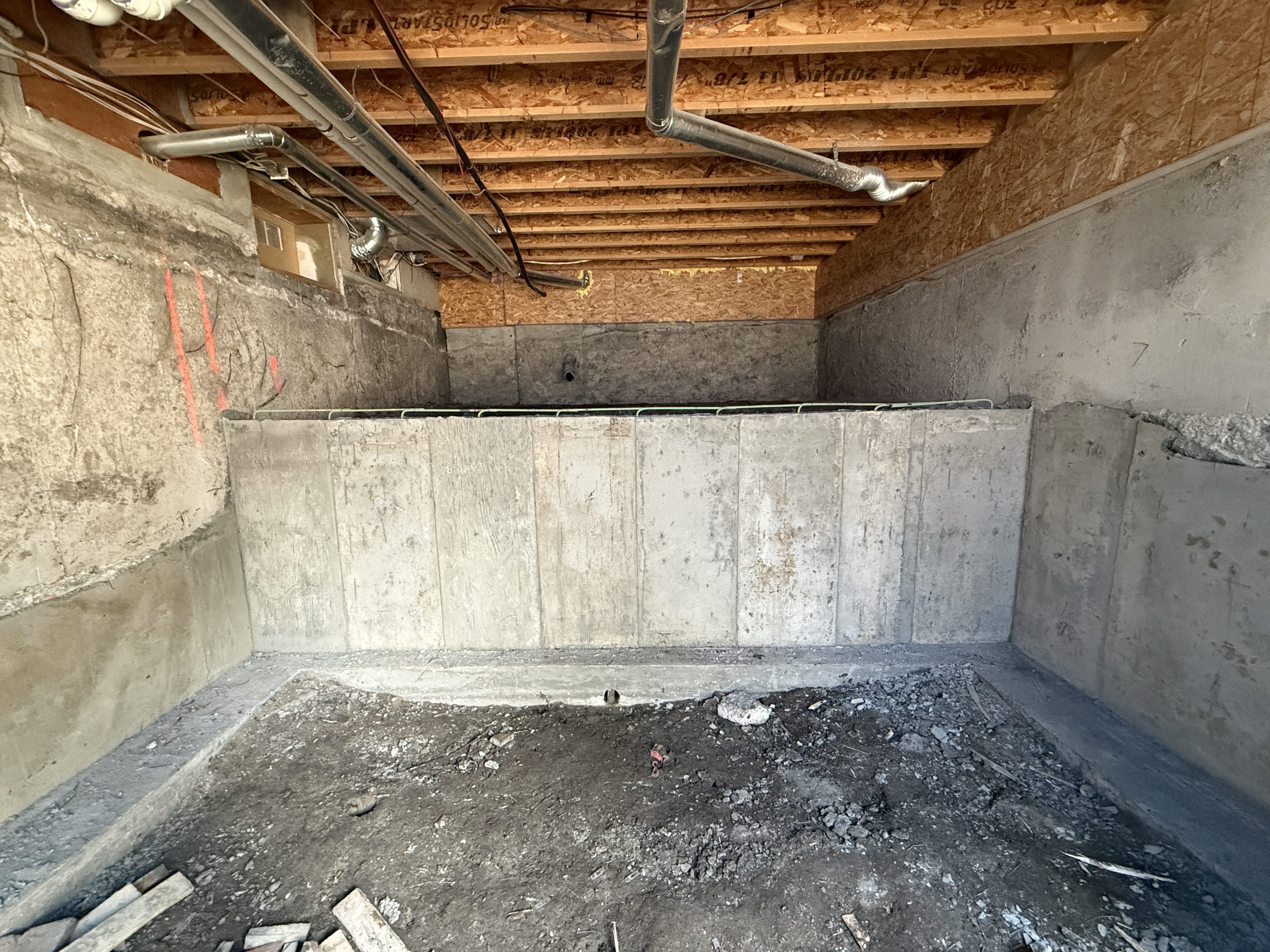
Building a concrete retaining wall in Calgary involves more than just stacking concrete blocks. Whether you are a homeowner looking to add some structure to your garden or a developer working on a large-scale project, understanding the local regulations and engineering requirements is essential.
Let’s explore what you need to know about retaining wall heights and the circumstances that require engineering in Calgary.
Skip To What You Need To Know:
Concrete Retaining Wall in Calgary: The Basics

Retaining walls are structures designed to hold back soil and create level areas in landscapes. They are commonly used in both residential and commercial properties to manage sloped terrain and prevent erosion. Concrete retaining walls are popular due to their durability and strength, but their construction involves specific guidelines, especially regarding height and engineering.
Height Regulations for Retaining Walls
In Calgary, the height of a retaining wall determines whether engineering is required. The City of Calgary’s Land Use Bylaw outlines the rules for retaining wall construction. Here are the key points:
- Walls up to 1 meter (3.28 feet): For walls that are 1 meter or less in height, no engineering is typically required. These walls are considered minor and can be built without a permit in most residential areas.
- Walls between 1 and 1.2 meters (3.28 to 3.94 feet): Walls within this range may still be constructed without formal engineering, but it is advisable to consult with a professional to ensure stability and safety.
- Walls over 1.2 meters (3.94 feet): Any retaining wall exceeding 1.2 meters in height requires engineering. This is to ensure that the wall can withstand the lateral earth pressure and any additional loads it may encounter.
Why Engineering is Necessary for Taller Walls
Engineering is crucial for taller retaining walls because of the increased risks associated with their failure. Proper engineering ensures that the wall can handle:
- Soil Pressure: The weight of the soil behind the wall creates significant lateral pressure that the wall must resist.
- Hydrostatic Pressure: Water buildup behind the wall adds additional pressure, which can compromise the wall’s integrity if not properly managed.
- Load Considerations: Additional loads, such as vehicles or structures near the wall, can increase the stress on the retaining wall.
Engineering involves detailed calculations and the design of reinforcement and drainage systems to mitigate these pressures and ensure the wall’s stability.
The Role of Permits in Retaining Wall Construction
Building permits are required for retaining walls over 1.2 meters. The permit process ensures that the proposed wall meets all safety and structural requirements. Here’s what you need to know about obtaining a permit:
- Application Process: Submit detailed plans and specifications prepared by a licensed engineer. These should include the wall design, materials, reinforcement details, and drainage provisions.
- Review and Approval: The City of Calgary reviews the application to ensure compliance with all relevant bylaws and codes. Once approved, construction can begin.
- Inspection: During and after construction, inspections may be required to verify that the wall is built according to the approved plans.
Designing a Concrete Retaining Wall
When designing a concrete retaining wall, several factors must be considered:
- Soil Type: The type of soil affects the wall design. Engineers must account for soil properties such as cohesion, friction angle, and density.
- Wall Height: As mentioned, the height of the wall impacts whether engineering is required and influences the design.
- Drainage: Proper drainage is essential to prevent water buildup behind the wall. Drainage systems such as weep holes, drainage pipes, and gravel backfill help manage hydrostatic pressure.
- Reinforcement: Taller walls require reinforcement to increase their strength and stability. This often involves the use of steel rebar and concrete footings.
Benefits of Professional Engineering
Hiring a professional engineer for your retaining wall project offers several benefits:
- Safety: Engineers ensure that the wall is structurally sound and safe, reducing the risk of failure.
- Compliance: A professional engineer ensures that the wall complies with all local regulations and building codes.
- Longevity: Proper engineering extends the lifespan of the retaining wall by addressing potential issues like drainage and load-bearing capacity.
Maintaining Your Retaining Wall
Once your concrete retaining wall is built, proper maintenance is key to ensuring its longevity. Here are some tips:
- Regular Inspections: Check for signs of wear, such as cracks, bulges, or leaning, and address any issues promptly.
- Drainage Maintenance: Ensure that drainage systems remain clear of debris to prevent water buildup behind the wall.
- Vegetation Control: Keep plants and tree roots away from the wall to avoid damage from root growth.
- Reinforcement Checks: Periodically inspect the reinforcement elements, especially after heavy rains or significant load changes.
Building a concrete retaining wall in Calgary involves adhering to specific height regulations and engineering requirements to ensure safety and durability. By understanding these guidelines and working with professional engineers, you can achieve a successful project that stands the test of time.
For expert advice and professional engineering services for your concrete retaining wall in Calgary, contact TNA Concrete today. Our experienced team is here to help you design and build a retaining wall that meets all regulatory requirements and exceeds your expectations.
Transform Your Landscape with a Professionally Engineered Retaining Wall!
By following these guidelines and leveraging professional expertise, you can ensure your concrete retaining wall in Calgary is both functional and safe. For more information or to start your project, get in touch with us at TNA Concrete. Let’s build something great together! Contact us today.