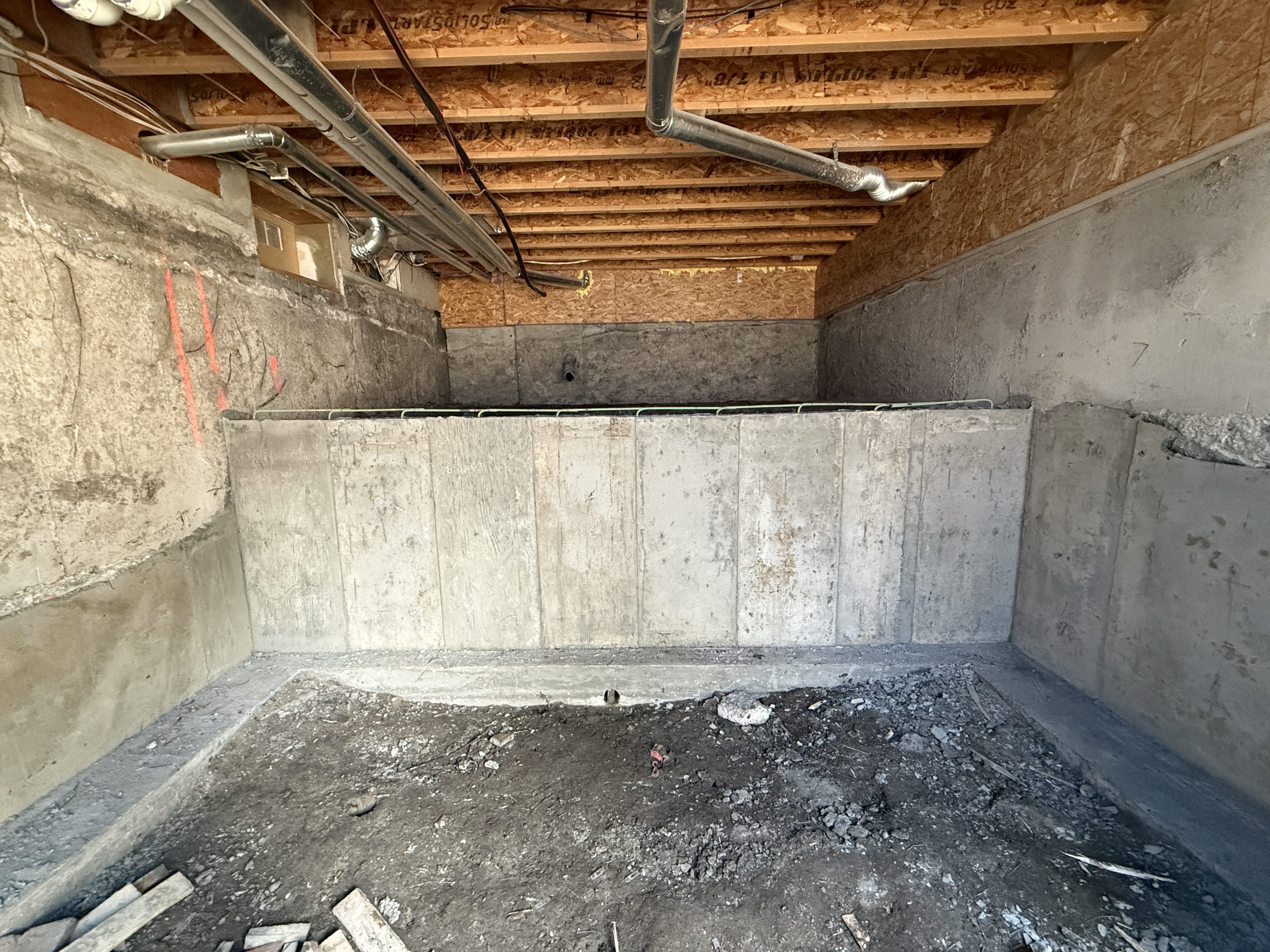
Concrete projects start with optimism. A new patio for a restaurant. A foundation for a warehouse expansion. A driveway that finally replaces cracked asphalt.
Plans get drawn, budgets are approved, and schedules are mapped out.
Then something changes.
Costs rise. Timelines slip. Crews wait on materials. A simple concrete pour becomes a stressful chain reaction affecting everyone involved.
According to a global study by McKinsey & Company, large construction projects typically take 20 percent longer than scheduled and run up to 80 percent over budget.
Concrete work is often one of the earliest phases in a project, which means delays and cost issues here can ripple through every other trade on site.
That is why contractors spend a lot of time asking a simple question:
Why concrete projects go over budget in the first place.
When the causes are clear, they can be prevented.
This article walks through the most common reasons concrete jobs exceed their budget and what experienced crews do to keep projects on track.
Why Concrete Projects Go Over Budget
Concrete work may look simple on the surface, but every pour depends on planning, coordination, weather conditions, materials, and timing.
When even one piece falls out of place, costs can start climbing quickly.
Here are the most common causes.
1. Poor Site Preparation
Concrete can only perform as well as the ground beneath it.
If soil conditions are unstable, poorly compacted, or uneven, additional work becomes necessary before concrete can even be poured.
Common site preparation issues include:
- Unexpected soil conditions
- Hidden debris underground
- Improper grading
- Water drainage problems
If these issues appear after work begins, crews may need to bring in additional equipment or materials. That means extra labour and schedule delays.
This is one reason experienced contractors take site preparation seriously before committing to timelines or budgets.
2. Weather Delays
Weather is one of the biggest factors affecting concrete work, especially in places like Calgary where temperature swings can be dramatic.
Concrete reacts to temperature in ways that directly affect strength and curing time.
Cold weather slows curing.
Extreme heat can cause cracking.
Rain can weaken surface finishes.
The American Concrete Institute notes that temperature and moisture conditions during curing significantly affect the durability of concrete.
If the weather shifts unexpectedly, crews may have to pause work, protect freshly poured surfaces, or reschedule pours entirely.
These interruptions can push projects behind schedule and increase costs.
For homeowners, this also explains why seasonal preparation matters. If you’re preparing outdoor surfaces, it helps to know how cold weather affects concrete performance. Our guide on winter-proofing your concrete driveway explains what happens when concrete faces Calgary’s harsh winters.
3. Changes to the Project Scope
Project changes are one of the most common reasons budgets expand.
A developer may adjust a layout.
A homeowner may request decorative finishes.
A contractor may need additional concrete pads or structural features.
Every change affects materials, labour hours, and equipment requirements.
Even small adjustments can create ripple effects across scheduling and logistics.
Experienced contractors prevent this by finalizing specifications early and ensuring every stakeholder understands the scope before work begins.
4. Material Price Fluctuations
Construction materials can fluctuate in price based on demand, supply chains, and fuel costs.
Concrete itself depends on several components:
- cement
- aggregate
- sand
- water
- admixtures
Transportation also plays a major role in cost.
For clients planning projects in Calgary, knowing typical pricing can help prevent surprises. Our article on how much concrete costs per cubic meter in Calgary breaks down the factors influencing pricing.
Accurate estimates rely on stable material pricing and reliable suppliers.
When materials spike unexpectedly, budgets can follow.
5. Scheduling Conflicts Between Trades
Construction projects involve multiple trades working in sequence.
Excavation must finish before forming.
Formwork must finish before pouring.
Concrete must cure before framing or finishing begins.
If one trade runs late, everyone else waits.
Concrete crews sometimes arrive ready to pour only to find that previous work is incomplete.
When schedules shift, labour costs rise and equipment rentals extend longer than planned.
This is why communication between trades is essential for keeping projects on schedule.
How Contractors Prevent Concrete Budget Overruns
While many risks exist, experienced contractors take steps to control them.
Preventing cost overruns often comes down to preparation and communication.
Detailed Planning Before Work Begins
Contractors reduce surprises by carefully evaluating project details before work starts.
This includes reviewing:
- soil conditions
- drainage requirements
- structural loads
- access for equipment
Planning also includes verifying measurements and confirming design specifications.
The more information available upfront, the fewer unexpected changes occur later.
Realistic Scheduling
Many delays occur when timelines are overly optimistic.
Concrete work requires patience during curing stages.
Rushing this process can lead to structural problems that cost far more to repair.
If you’re curious about curing timelines, this article explains how long concrete actually takes to cure and why allowing enough time is essential.
Experienced contractors build realistic schedules that account for curing periods, weather conditions, and coordination between trades.
Clear Communication Between Teams
Good communication reduces confusion on construction sites.
Contractors regularly coordinate with:
- general contractors
- developers
- project managers
- suppliers
Everyone involved needs clear timelines and expectations.
When communication breaks down, delays often follow.
Simple updates and coordination meetings can prevent major scheduling conflicts.
How to Handle a Construction Project Delay
Even with careful planning, delays can still happen.
The key is responding quickly and strategically.
Here are several ways contractors handle delays effectively.
Identify the Root Cause Immediately
The first step in how to handle a construction project delay is identifying why it happened.
Possible causes include:
- weather interruptions
- missing materials
- scheduling conflicts
- unexpected site conditions
Once the cause is identified, the team can adjust timelines or workflows.
Ignoring the problem only makes delays worse.
Adjust the Schedule Strategically
Some delays can be recovered by adjusting task sequencing.
For example:
- Certain preparation work may continue while waiting for materials.
- Interior work might proceed while exterior concrete cures.
Creative scheduling allows crews to keep moving forward.
Maintain Transparent Communication
Project managers and contractors must communicate delays early.
Waiting until the last minute creates frustration for everyone involved.
Transparent communication builds trust between teams and clients.
Avoid Rushing the Work
One of the worst responses to delays is rushing the concrete pour.
Concrete strength depends on proper mixing, placement, and curing.
Cutting corners during these stages can lead to cracking, uneven surfaces, and costly repairs later.
In other words, fixing a delay by rushing often creates bigger problems.
The Value of Hiring the Right Concrete Crew
A reliable crew does more than pour concrete.
They help manage risk.
Experienced contractors anticipate problems before they happen.
They understand local conditions, material behaviour, and scheduling realities.
This type of experience often makes the difference between a smooth project and a stressful one.
For commercial developers and contractors, choosing the right partner can prevent costly mistakes.
Calgary Projects Require Local Knowledge
Concrete behaves differently depending on the climate.
Calgary’s freeze-thaw cycles can be particularly demanding.
Water expands when frozen, which places stress on concrete surfaces. If the material is poorly mixed or improperly cured, cracks can form quickly.
The National Research Council of Canada notes that freeze-thaw cycles are one of the primary causes of concrete deterioration in cold climates.
Contractors who work regularly in Calgary understand how to account for these conditions.
They plan pours around weather windows, choose appropriate materials, and ensure curing methods protect the concrete from sudden temperature changes.
Local experience matters.
Why Long-Term Planning Matters for Concrete Projects
Concrete projects are rarely one-time events.
Commercial developments expand.
Restaurants add patios.
Industrial facilities extend parking areas.
Good planning today reduces problems tomorrow.
When contractors approach projects with long-term durability in mind, property owners avoid expensive repairs down the road.
That is why strong concrete work focuses on:
- proper site preparation
- quality materials
- realistic schedules
- experienced crews
Each step protects both the structure and the budget.
A Practical Perspective on Budget Control
The truth about construction budgets is simple.
Projects rarely fail because of one major issue.
More often, several small problems compound over time:
- slight delays
- minor material changes
- unexpected site conditions
When these challenges accumulate, costs increase.
Good contractors keep these small issues from growing into large ones.
Planning, communication, and patience make the difference.
Reliable Concrete Work Starts with the Right Team
Construction projects involve real investments, tight timelines, and many moving parts.
Concrete work forms the literal foundation of these projects.
When it is done carefully and planned well, it supports everything that follows.
When corners are cut, the consequences can last for decades.
If you’re planning a concrete project in Calgary and want a crew that values careful planning, coordination, and durability, take a closer look at the services available through TNA.
Their work across commercial and residential projects reflects a long-standing commitment to craftsmanship, reliability, and strong relationships with clients throughout Calgary.
Preventing Concrete Budget Problems Starts with Planning
Concrete projects go over budget for many reasons.
Weather delays, poor planning, unexpected site conditions, and scope changes all play a role.
Contractors prevent these problems through preparation, realistic timelines, and strong coordination between teams.
When the right planning is in place, concrete work stays on track and projects move forward without unnecessary surprises.
If you’re planning a project and want dependable concrete work built on experience and careful execution, visit TNA to learn more about the services available in Calgary.
A strong project begins with the right foundation.